
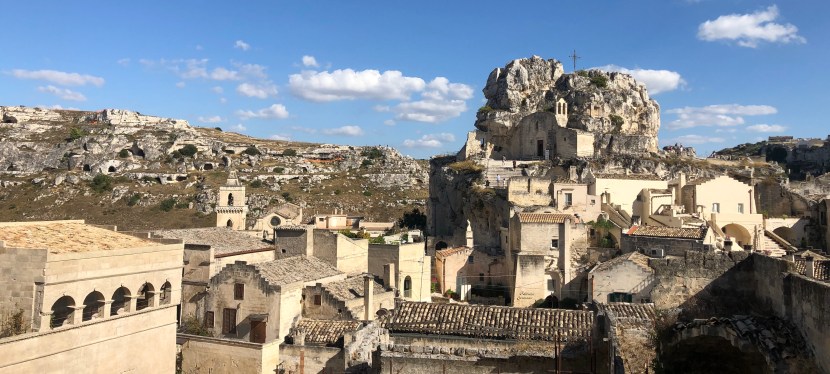
September 2020 – 5 days with the family
Calabria is one of the lesser-explored areas of Italy by foreign travelers, but we found that it really has it all. There are beautiful beaches, spicy food, canyoning in the mountains, and charming historic towns. After spending a few days in Tropea and Pollina National Park, we made our way over to the UNESCO World Heritage Site of Matera, which has been trapped in time for the last 300 years to stay in a cave hotel and hear the strange story of one of the oldest cities in the world.
Like the rest of our travel guides, this is not an all-encompassing account of everything we did. We do not want to make a list of ‘Best’ or ‘Must-do’ experiences since we know it depends on your personal preferences. These are only our personal favorites and they are divided into two groups: “Avventura Favves” and “Other Things We Liked”.
The Avventura’s Southern Italy Map

Overview
After visiting the Aeolian island of Salina off the coast of Sicily, we weren’t quite ready to get back to Torino since it is basically a ghost town until after the summer holiday period and schools are open. So we extended our trip with a few days in places in the south of Italy that we passed by during the first summer of our avventura.
When planning this vacation, we initially thought we would return to Puglia since it was one of our favorite regions in Italy that we visited the first summer we were here. However, Kai studied a unit on Calabria in geography class and said he wanted to go there, so we decided to do some hands-on learning and check it out. Additionally, our good traveling friends had been raving about Matera for the last couple of years and telling us it was their favorite destination in all of Italy. We decided we couldn’t miss this unique town.
Calabria is the toe of the boot and has a landscape that reminds us of Montana. For stretches, you’re looking at plains with a vast sky, and then all of a sudden you look out the window and you’re staring at large pine and rock covered mountains. It’s also home to red onions in the town of Tropea, spicy peppers, and ‘nduja, a meat spread which uses those local spicy peppers. We love spicy food and have missed these flavors while living in Italy. It’s funny that Calabrians are apparently the only Italians who like that heat.
After a couple of days in the Calabrian beach town of Tropea, Kai’s geography lesson took us next to Pollino National Park, which is the largest national park in Italy. It sits on the border of the regions of Calabria and Basilicata. After a bit of outdoor adventuring (and getting lost on some dirt roads – this is one of those regions where Google maps does not work very well), we made our way to Matera, in the region of Basilicata.
Matera is one of the oldest cities in the world, with people settling there in 10,000 BCE. It carries a fascinating story of being trapped in time for hundreds of years and then being rediscovered in the 1950s. It is now an interesting mix of fancy cave hotels, wine bars, and upscale gelato shops. We were concerned it was going to be like Alberobello in Puglia, a beautiful town with unique trulli homes that is now overrun with tourist buses and cheap souvenir shops. Fortunately, in Matera, there are locals who have remained and tourism is done at a high level.
Avventura Favves
Tropea’s Beaches and Historical Center
Capo Vaticano (see photo above) – This beach a short drive from the town of Tropea and has an absolutely beautiful view from above with a few different beaches below to hike down to. We enjoyed a small pebble beach with some rocks in the water which provided just the right environment to see lots of fish while snorkeling.
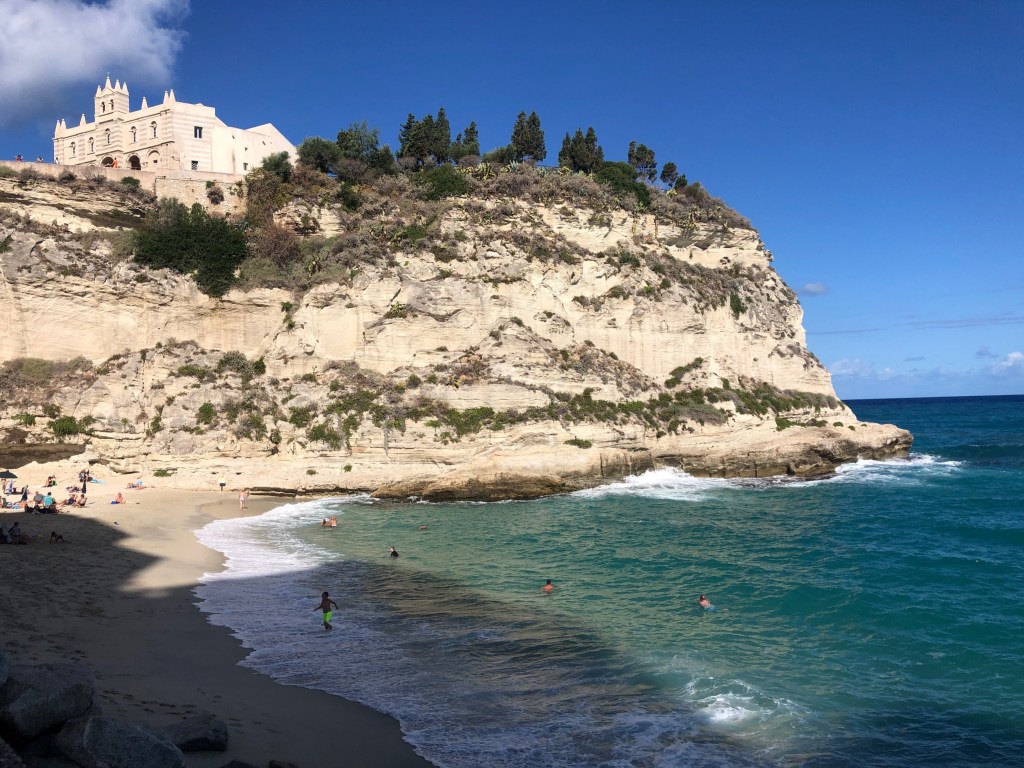

Spiaggia Rotonda sits right below the town and has beautiful white sand and turquoise water.

Even during the summer of the COVID pandemic, it wasn’t easy to secure a great hotel at a reasonable price. But we were really happy to have chosen Villa Adua because it is within walking distance of the historic center, which is a great place to walk around, particularly at night to enjoy outdoor dining, people watching, and to see the beautiful churches all lit up.

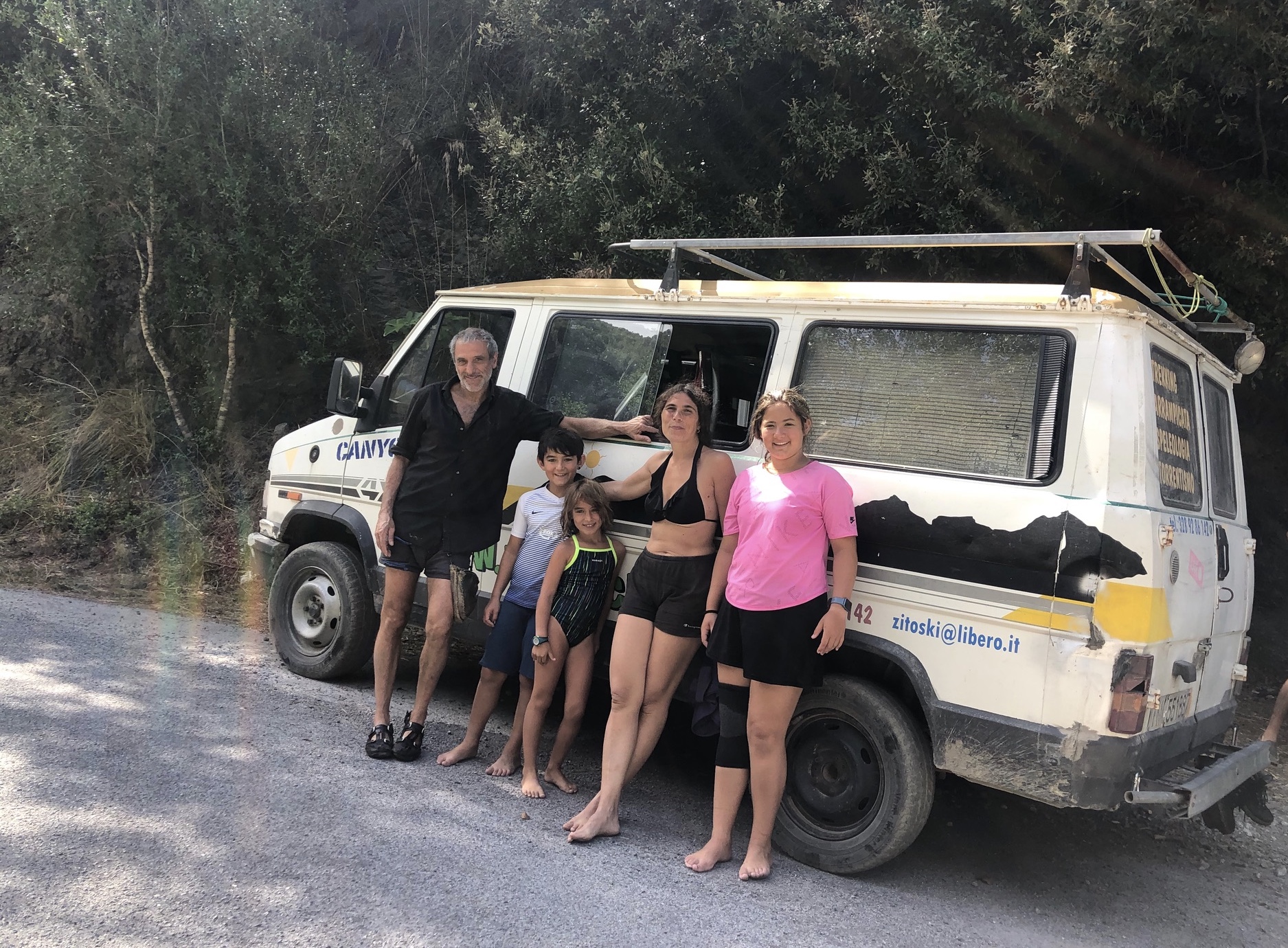
Canyoning in Pollino National Park with River Tribe. This was one of the kids’ “all-time best experiences”. It was a perfect adventurous way to explore nature. We repelled down 100 ft waterfalls, cliff jumped, and aqua trekked with 2 amazing guides. Joy’s favorite part were the hundreds, if not thousands of frogs in the water. The kids loved all the frogs. We wish we had a waterproof camera because we were too wet to be able to capture the experience and it was just amazing. Similar trips in other locations might offer to take photos for an additional fee, but this is very typical in Italy that businesses do not seek out those extra opportunities to make money. We really appreciate the reduced focus on capitalism in Italian culture, but this is one of the times that we would gladly have paid the fee.
Restaurants in Pollino National Park

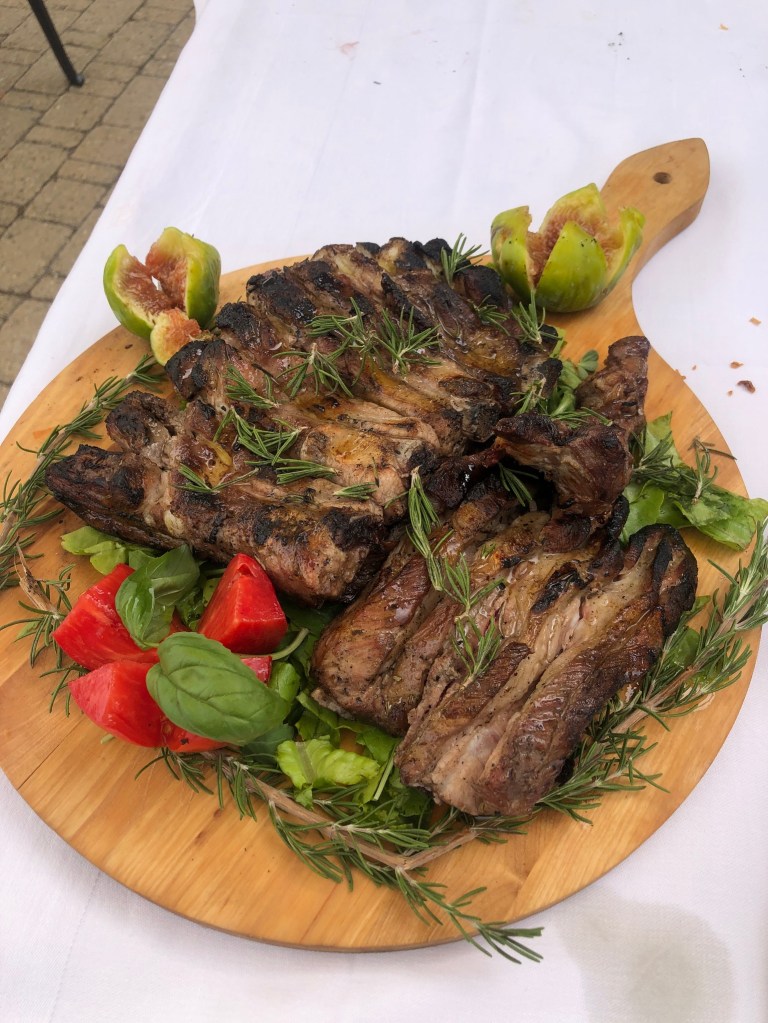

Bohemia – We had just arrived in Pollino and were driving around looking for an easy lunch when we happened upon Bohemia. How lucky! We were uncertain because we were there in a quiet week and they didn’t have any other guests, so we weren’t sure they were still serving lunch. We were wrong. They brought out a giant charcuterie plate (called taglieri in Italian) with amazing cheeses and meats. Then there was gnocchi made with chestnuts and a cream sauce. Then a grilled black pork steak. Plus a ‘half-liter’ of wine in what seemed like a 2-liter pitcher. The restaurant is situated on a small lake and the kids borrowed bikes from the restaurant and rode around the lake while we digested. It was so good, we even made room for dessert. Our plan was to do a hike that afternoon, but we were in a food coma and just took a nap at the hotel.
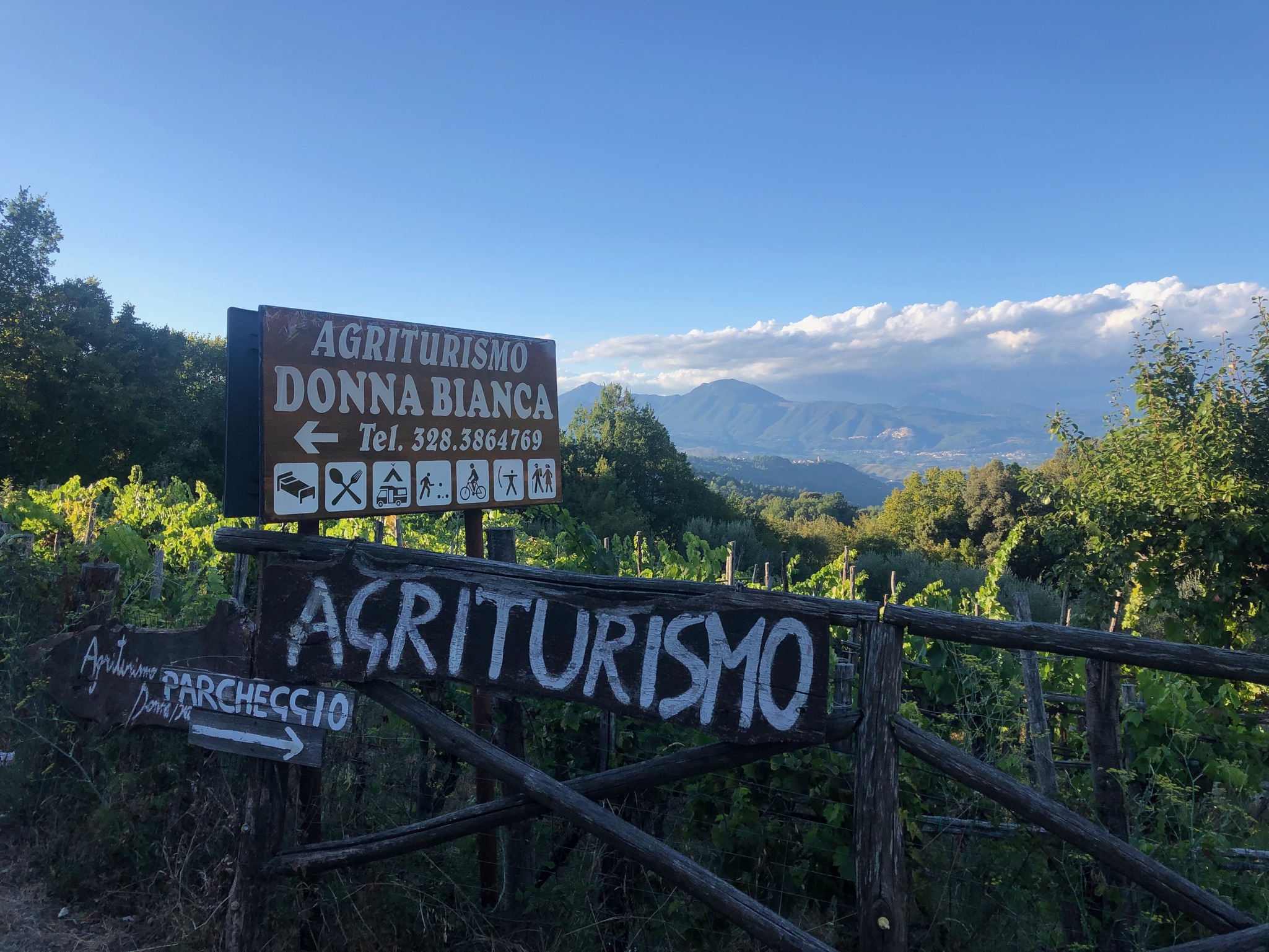
Donna Bianca – Another day in Pollino, another food coma. After doing our thrilling canyoning experience, we were famished and stopped in at Donna Bianca at 3 pm just expecting a small snack since it was an off-hour and no one was in the restaurant. The owner told us to wait a minute while she retrieved her mother and then the two of them proceeded to bring out a giant spread of food including meats, cheeses, and homemade pasta. We again found room for dessert and amaro and were again, only ready for a nap and no more hiking.

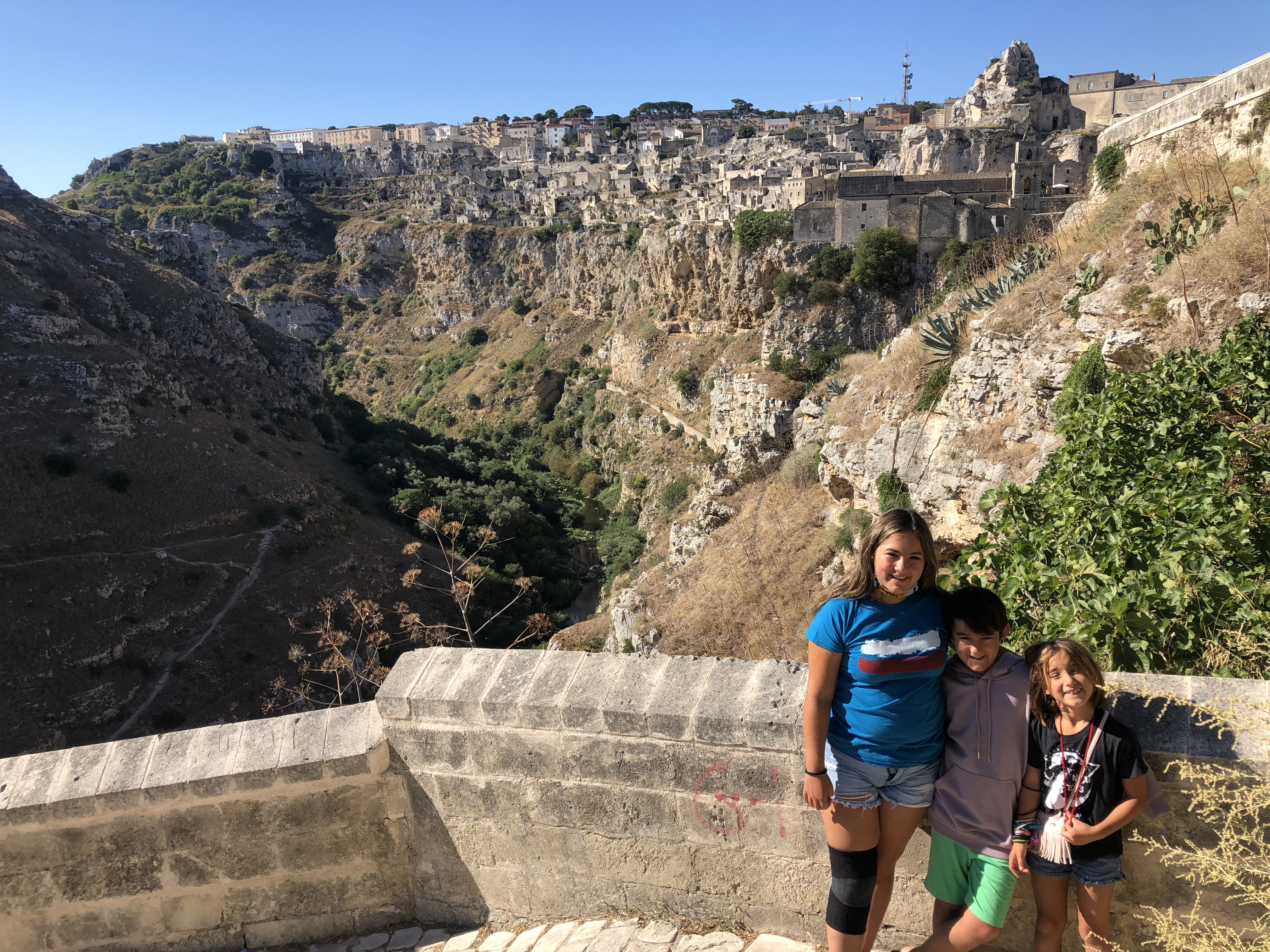

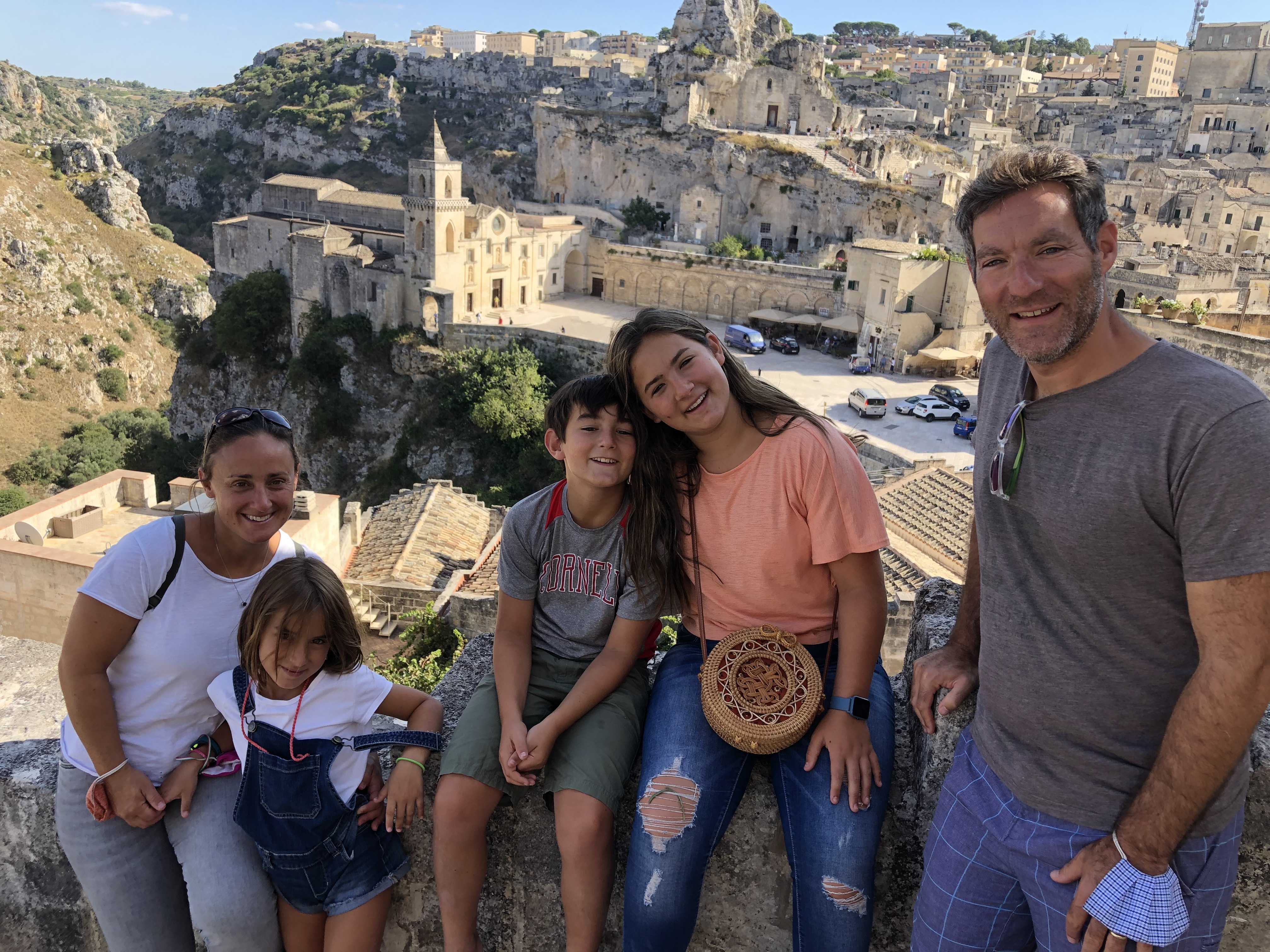
Hearing the strange story of the city of Matera with local Renato Favilli. Matera is an ancient city that has been continuously inhabited since 10,000 BCE, making it one of the oldest in the world. The most interesting part started 300 years ago when it became an asylum for political dissidents who argued with the King of Naples and was shut off from the rest of the world. The locals remained unaware of changes around them because the exiled who entered could not speak the local dialect, so they could not communicate what was going on in the outside world. There were in fact a few educated locals (mainly doctors) who left to obtain an education, but they were forbidden by law to communicate with those in exile and the locals about matters relating to the outside world.
It remained that way until after World War II when Italy became a Republic. This strange city was discovered by the Prime Minister and the government. When they arrived in Matera, they found people wearing handmade clothes in the 17th-century style with no plumbing or electricity. Animals lived inside the homes and spent the day wandering the streets. Renato showed us the cave home where his grandfather and uncle were born and lived among their animals. In fact, the streets among the ancient city are intentionally made of very slippery stone so that rain would easily wash away all of the waste left by the animals. For visitors that means you must wear shoes with good traction.
The country of Italy required the citizens to abandon their homes and gave them new homes/apartments in a nearby modern part of the city. The cave area sat uninhabited for 40 years and it was the shame of Italy to have been home to these backward people. However, in the 1990s, university students from Matera told professors in Rome about the ancient cisterns of their home city and it was rediscovered and became a UNESCO site. The government still officially owns the historic town but locals and businesses are allowed to rent the cave homes as long as they invest the money to modernize them with electricity and plumbing.
The next morning we walked down to the suspension bridge (don’t wear flip flops as we did, the path is made from the same stone as the streets in town which are very slippery and there are some broken bottles). We turned around just after crossing the bridge (about a half-mile from the town) because we had to be off on a long drive to Rome, but the trail climbs to the top of the hill on the other side of the gorge which is only around a mile each way.
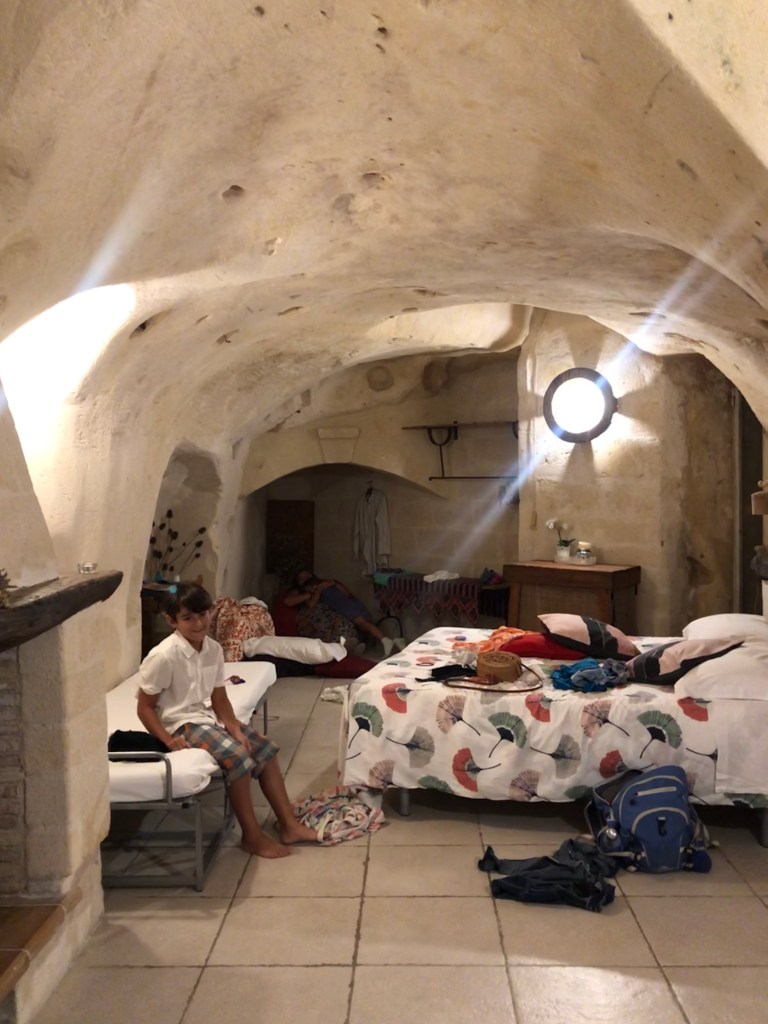

Staying in a cave hotel in Matera at La Dolce Vita B&B – We loved staying in these unusual cave rooms. They were clean and comfortable with a nice breakfast. There are several of these cave options in Matera, many of them being quite expensive. We found this one to be a good balance between quality and price.
Other Things We Liked

- In Tropea, we walked up to Santuario di Santa Maria for views of the water, beaches, and the Aeolian island of Stromboli with its active volcano in the distance.
- Radino Wine Bar in Matera – Similar to our hotel room, this trendy restaurant is set in a cave. The people were friendly and the food was good, but we were disappointed that we booked inside, and because of a last-minute event they were hosting (and COVID restrictions) we had to sit outside on their patio. It was a colder night, but they provided blankets. And in the end, it was probably safer to do that, and sitting among the old streets of the city was pretty cool.
Logistics and Miscellaneous Notes
- We drove from Sicily with a ferry crossing at Messina. There is no need to buy in advance, you can just pull up and buy a ticket. Rental cars are ok.
- We should have considered the ferry directly from Stromboli to Vibo Valentina (near Tropea) and we would have saved a lot of time and driving. The ferries are a bit tricky to figure out and we didn’t know ahead of time that there was one.
- The areas are mountainous so driving times can be long, there are lots of little towns we wanted to see and hikes to do, but it would have been too much time in the car for us.
- Afterward, we drove 5 hours from Matera to Rome, Almost all easy highway driving and the tolls are way less than in the north. It’s also 3 hours between Naples and Matera if you’re in that area.
Next Time We Go
We would have liked to have more time in Pollino National Park to have hiked or maybe even camped. It was a gorgeous and massive park and we feel like we missed quite a bit of it. We also would love to explore more Calabrian towns like Gerace, Stilo, or Catanzaro. Finally, a relaxing day at one of the beaches, like Caminia, on the Ionian Sea would have been lovely.
 The Avventura