
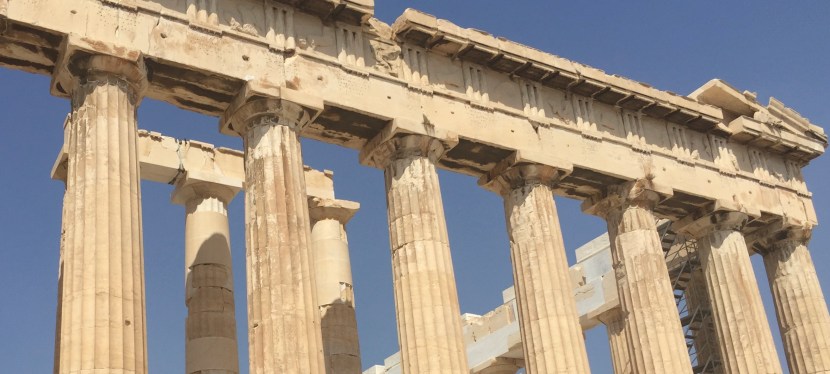
June 2016 – 3 nights with extended family
Athens is the perfect city to pack in some culture before setting off for the Greek Islands. Like we did for Thessaloniki, we asked Lynn’s dad Steve Aridgides to guest write for this famous city in his home country, as well as about a day trip we did to Delphi to find out from the oracle if that family prophecy is true and to see how we compare to the original Olympians.
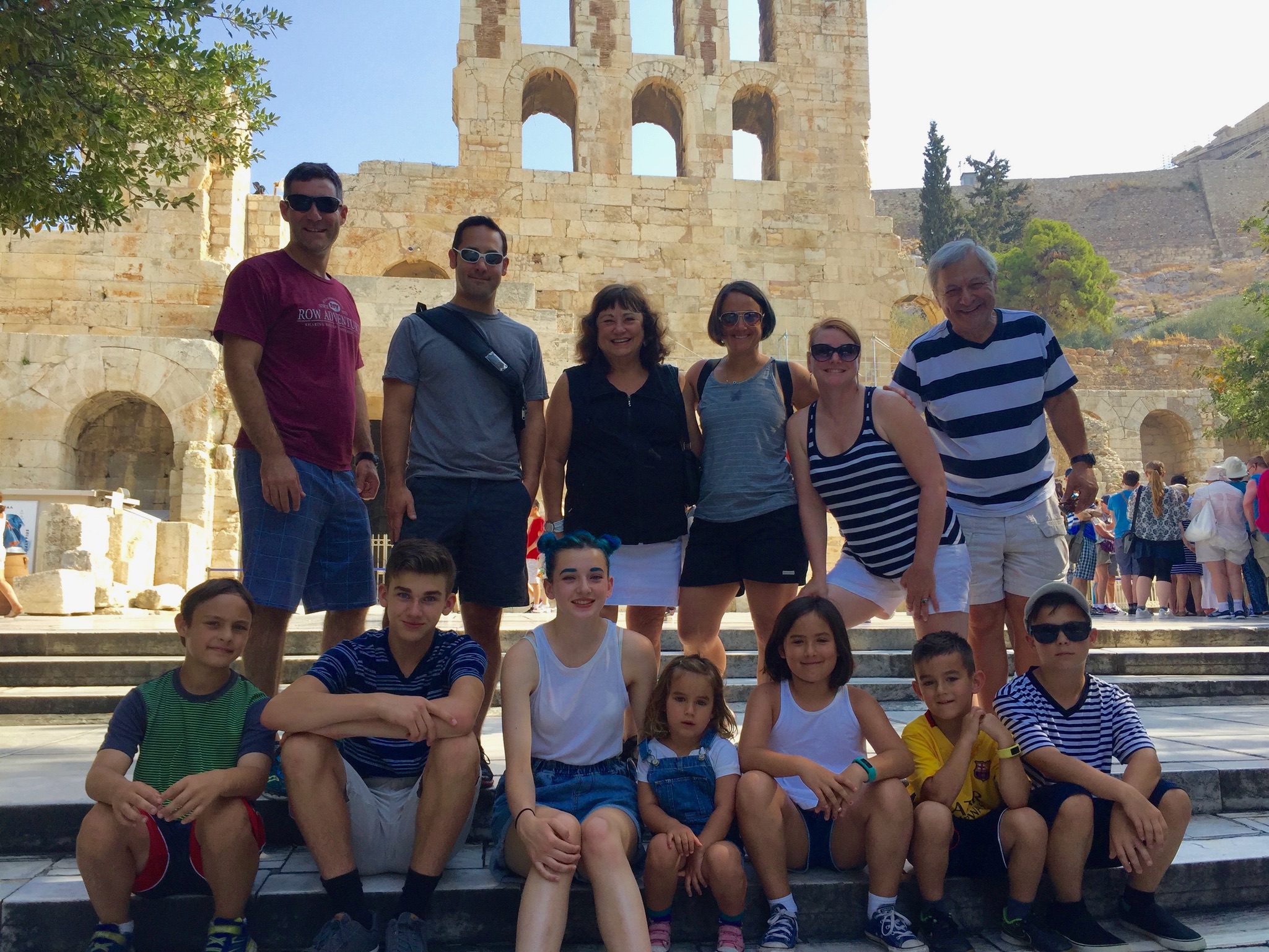
So, you may wonder:
What is the big deal with Athens? Is it only the Acropolis?
And what is so unique about ancient Greek Civilization?
Sure there are older civilizations: Egypt, Mesopotamia, and maybe even India and China. I think the most unique part about Greek civilization is that “they wrote stuff down”. By some accounts, Greek was the first true alphabet and Greeks became prolific writers. They wrote poems (Odyssey, Iliad), histories of wars, many theatrical plays that are still performed and are relevant today, books about philosophy, medicine, science, and math.
The Parthenon (temple to Athena) is thought of as the symbol of ancient Greece, Athenian democracy, and Western civilization, and is also one of the world’s best cultural monuments. The Athenians in the 5th century BC started something that they called “democracy”. People voted for their leaders. That was a first. Okay, it was “their” version of democracy: women could not vote and they also had slaves.
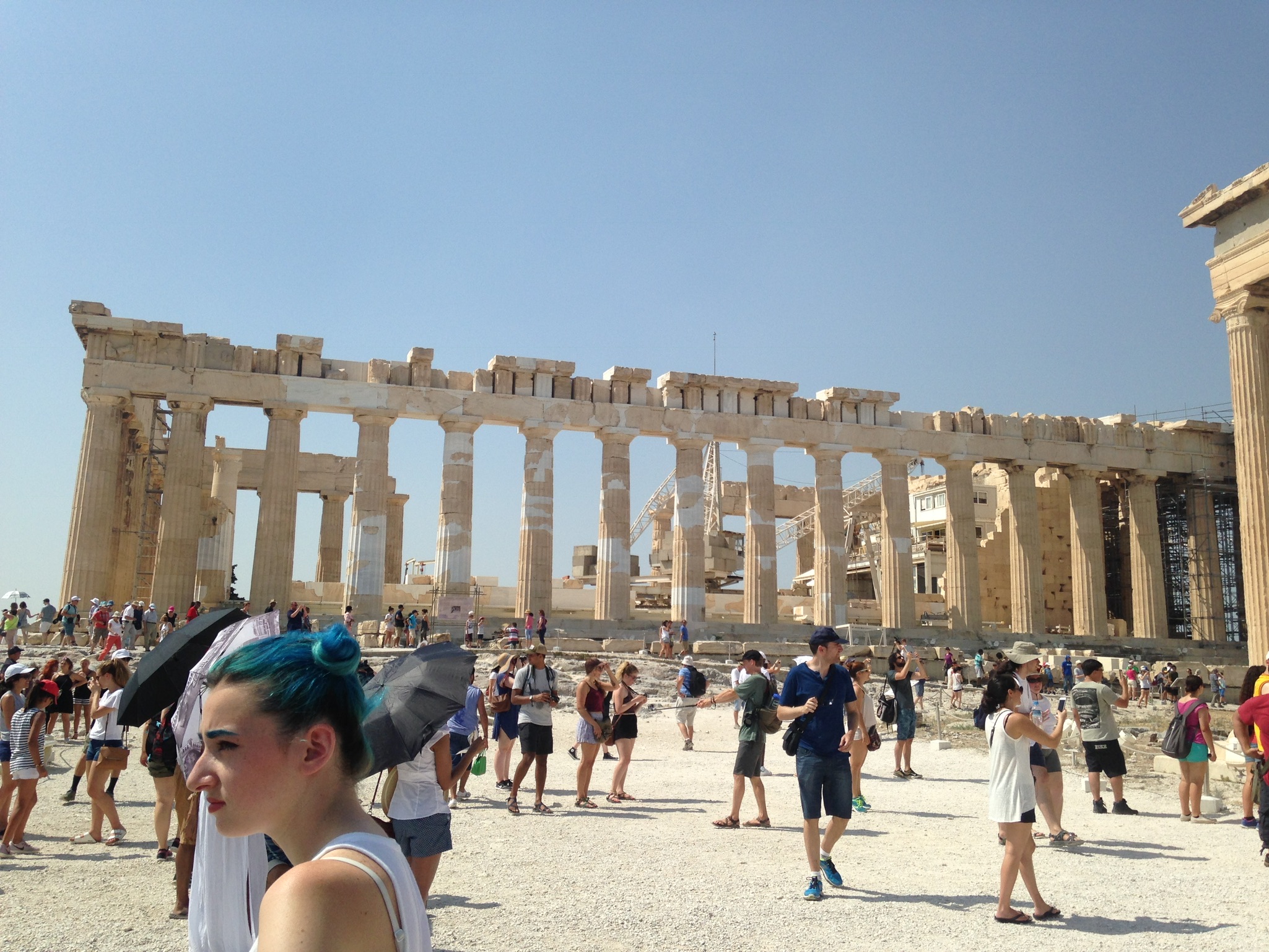
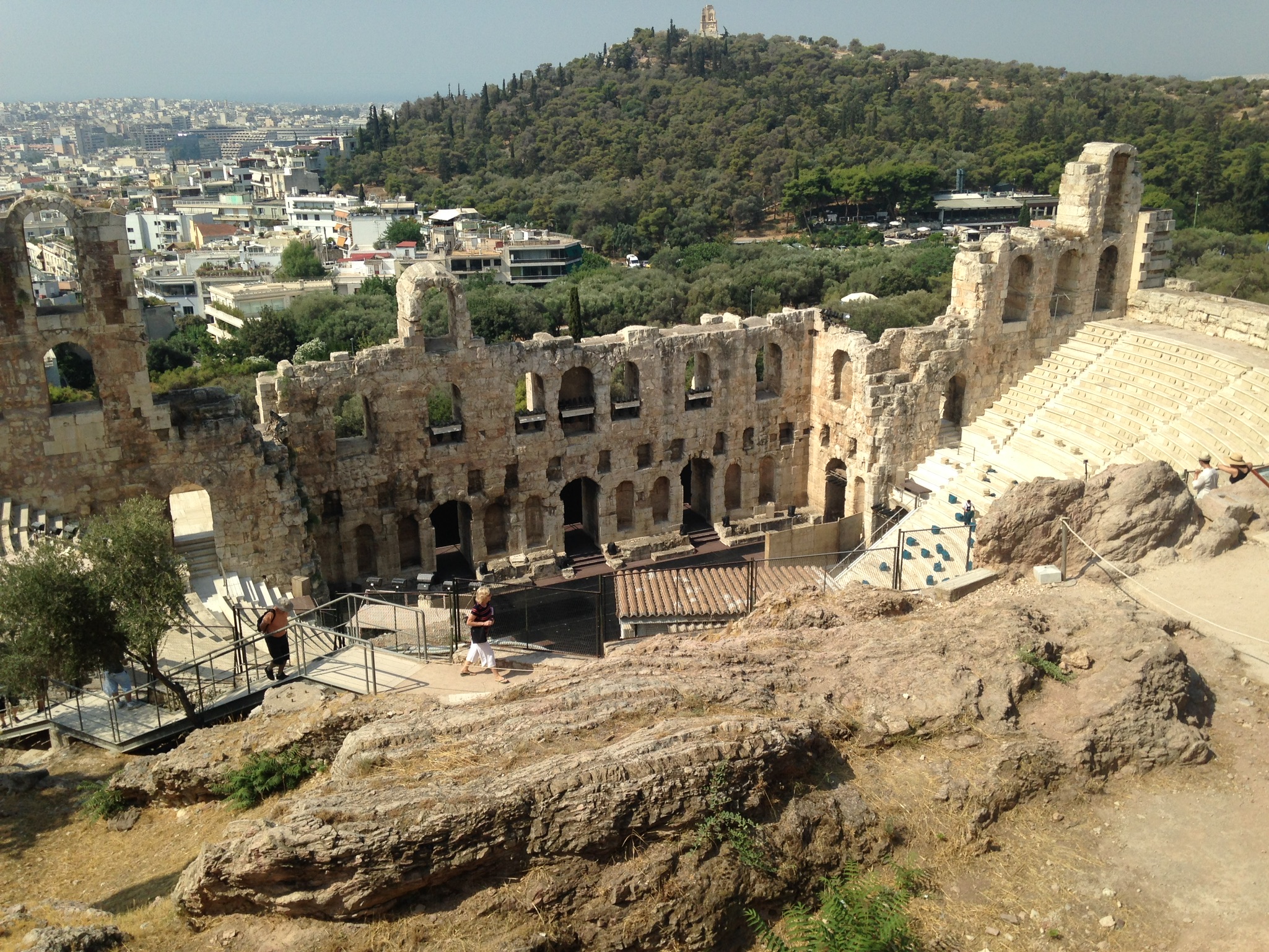
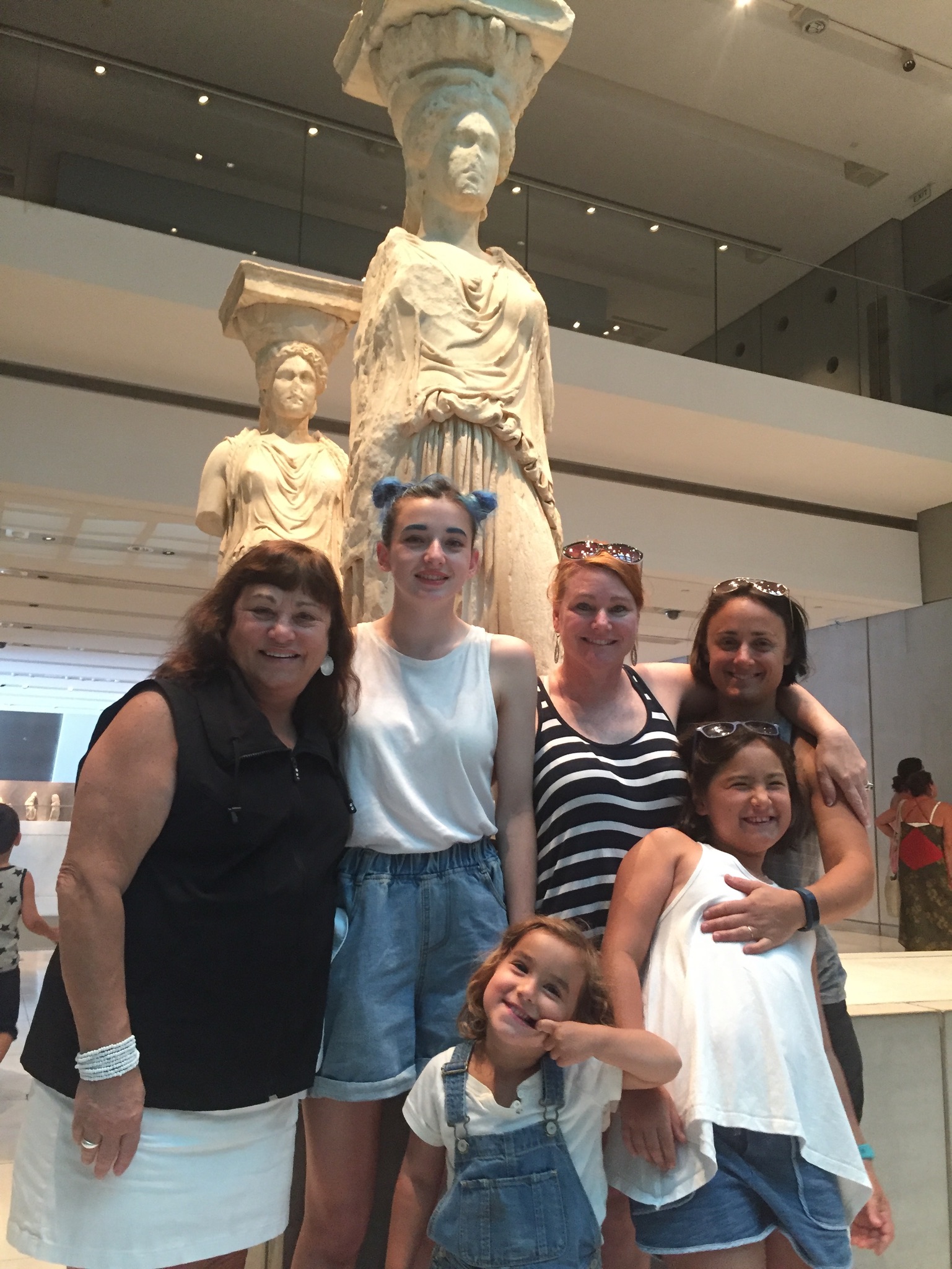
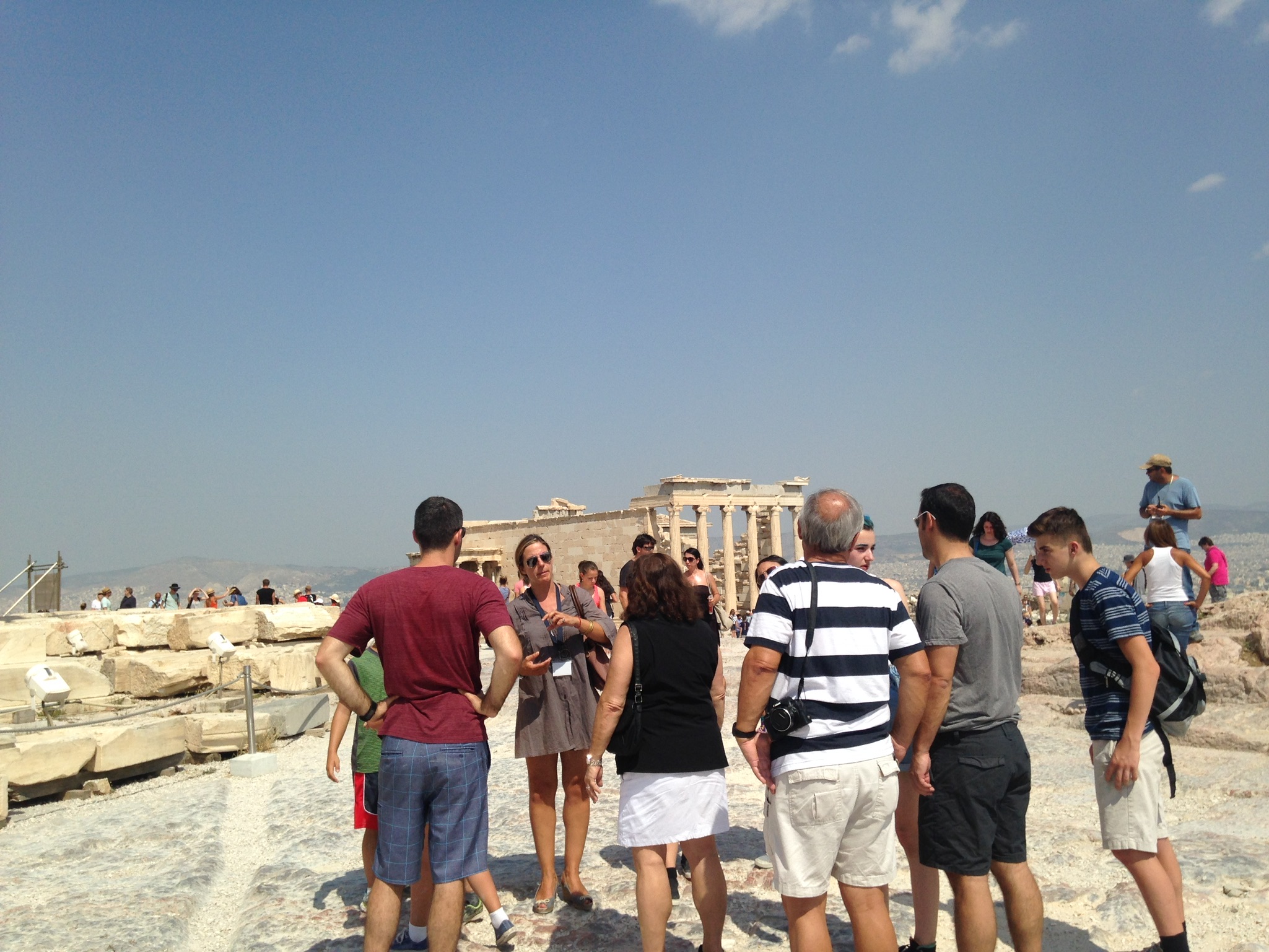
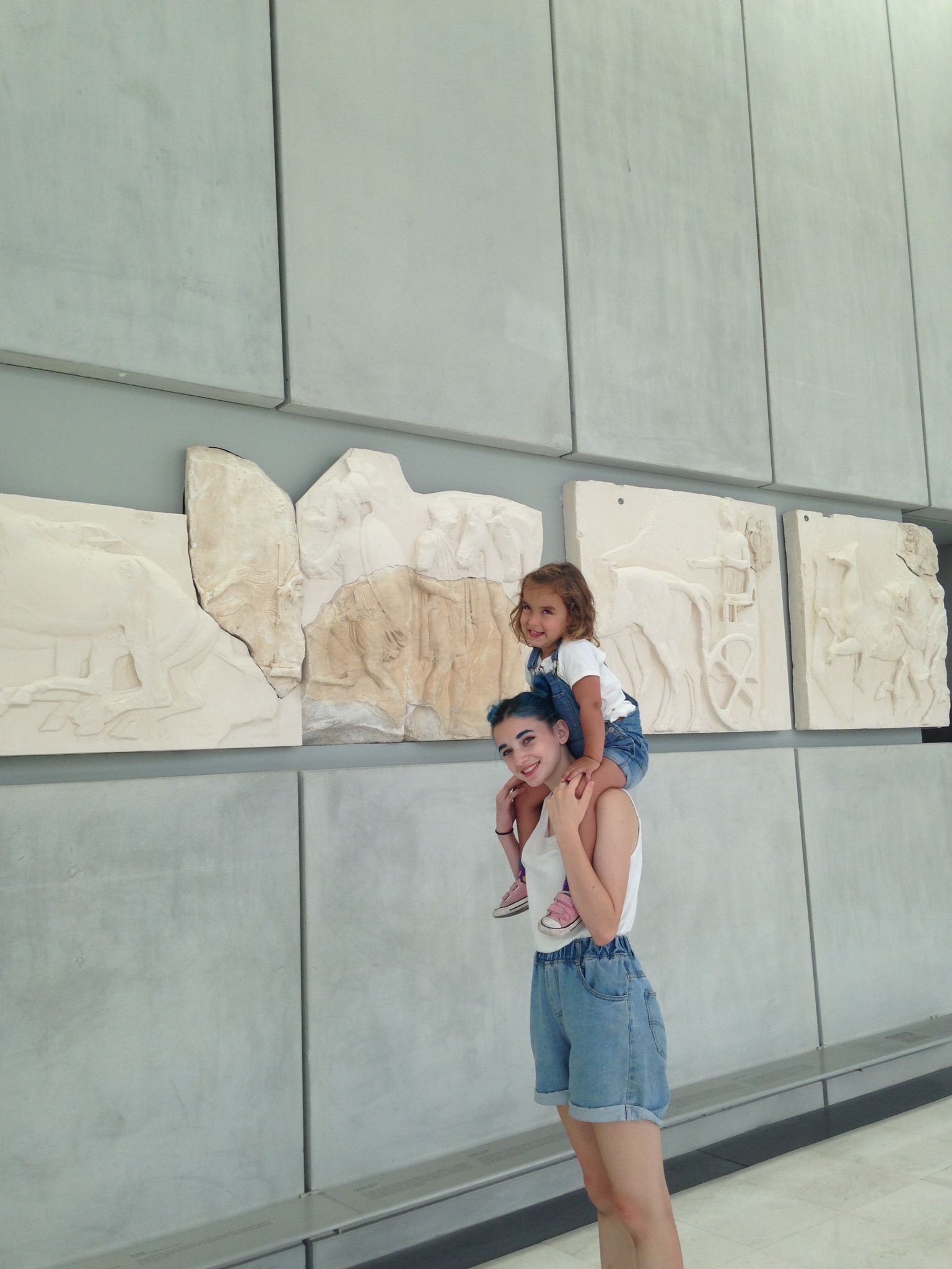
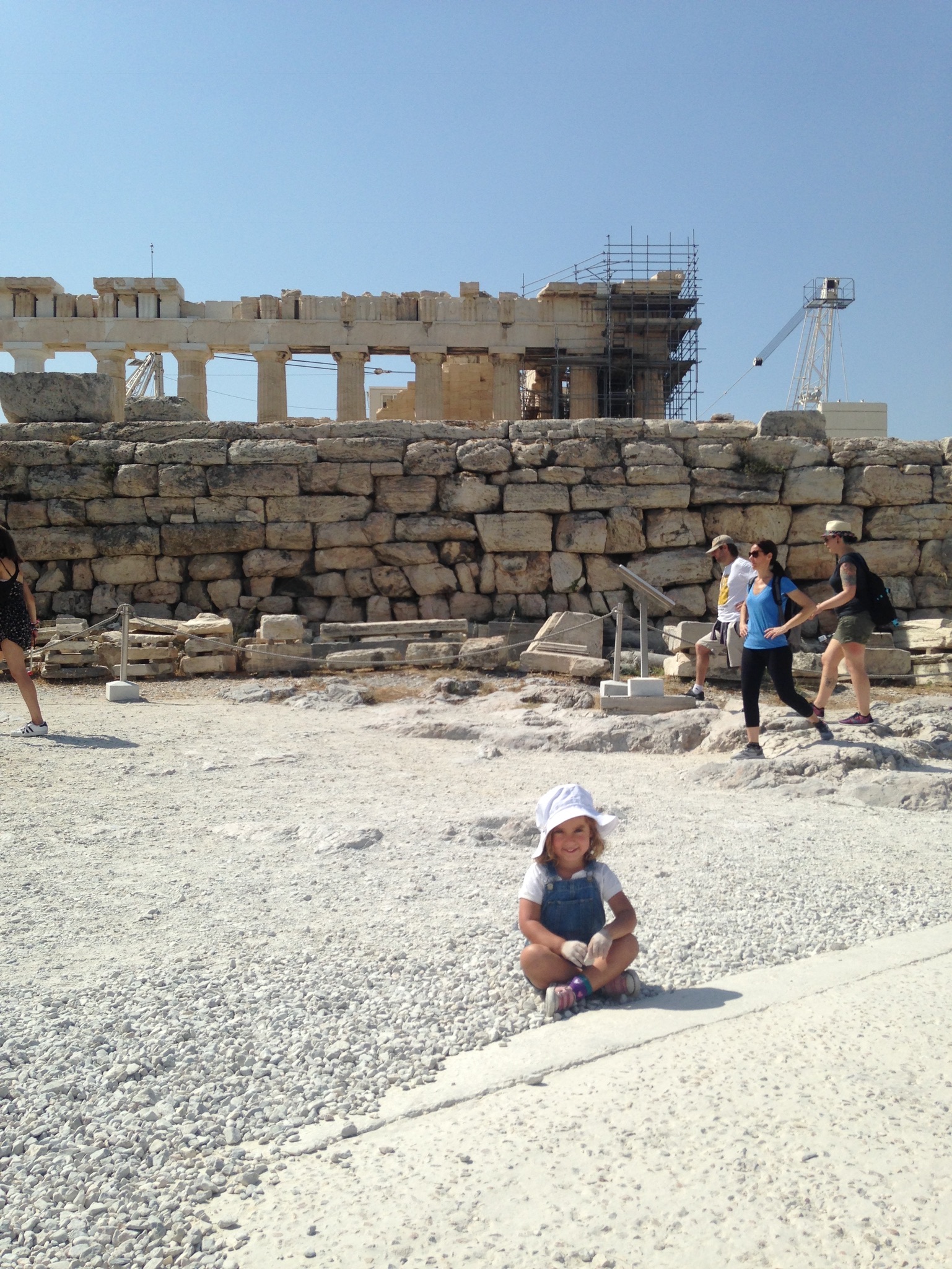
I would recommend trying to hire a private guide for a couple of hours for the Acropolis and the Acropolis Museum. It is worth it. The craftsmanship, precision, and architecture are impressive, even by today’s standards. Also, try to do some reading about it before you go. The structures that are still standing, or that are being restored, are from about 2500 years ago and were built as a celebration of victories against the Persians. By the way, the Greeks and Persians were fighting each other for about 200 years!!
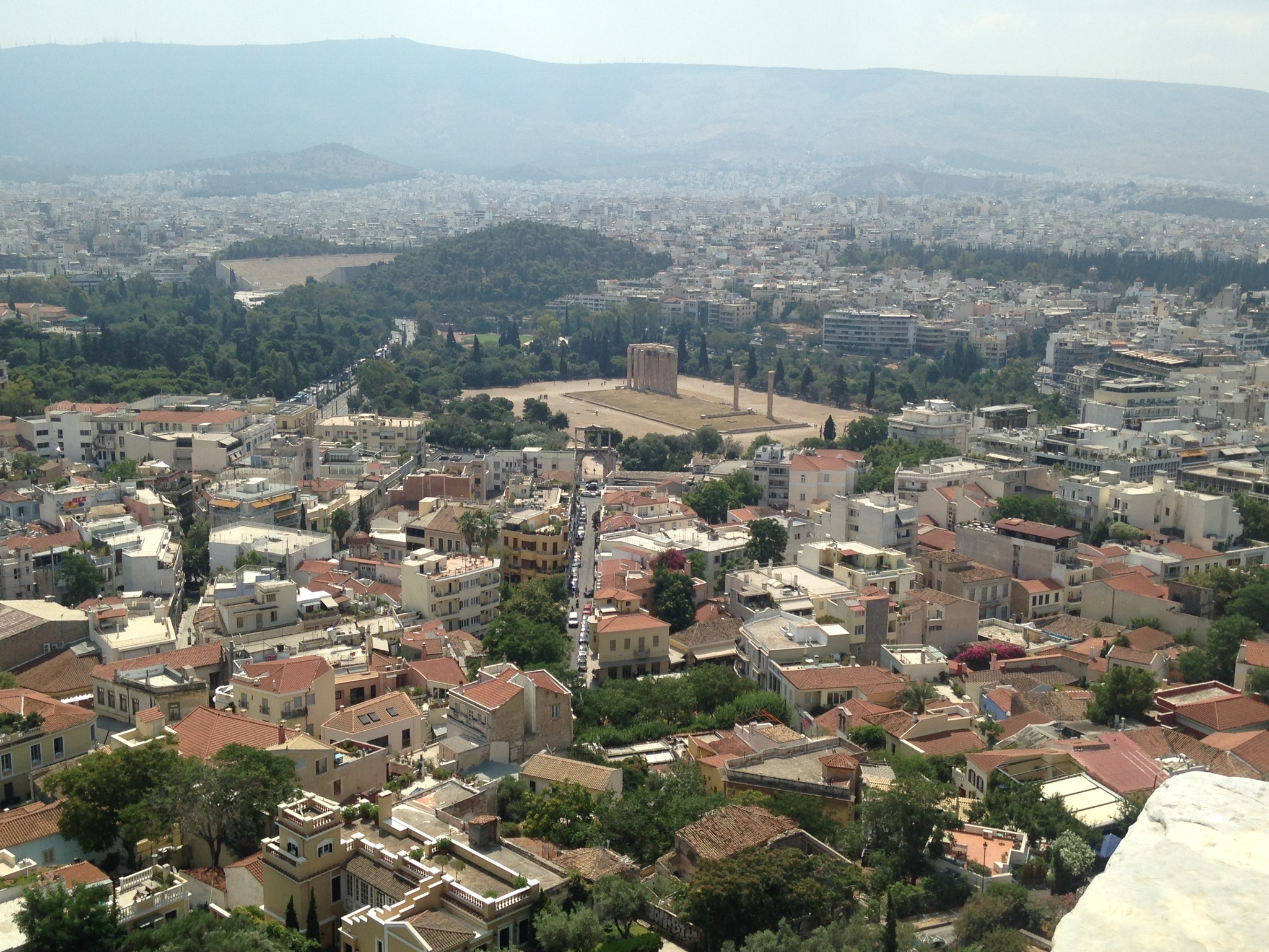
People have lived in the area around the Acropolis for almost 3500 years. The population was estimated to be around 200,000 around the 5th century BC. Athens was but a small village at the time of the Greek Independence (from the Ottoman Empire) and had a population of about 4000 around 1830. The metro area is now about 4 million people.
Where to Stay and What to Do – The Avventura’s Athens Map
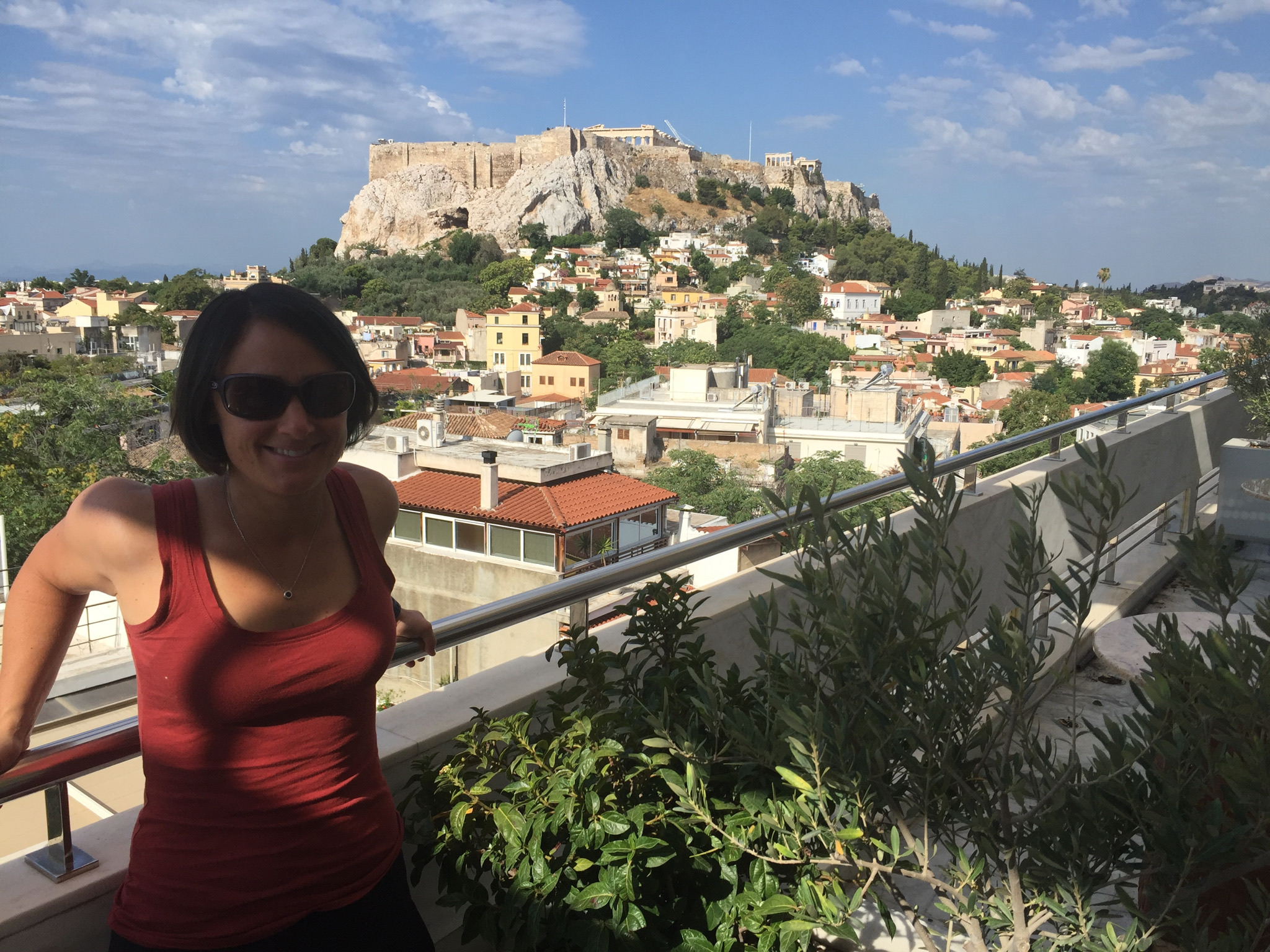
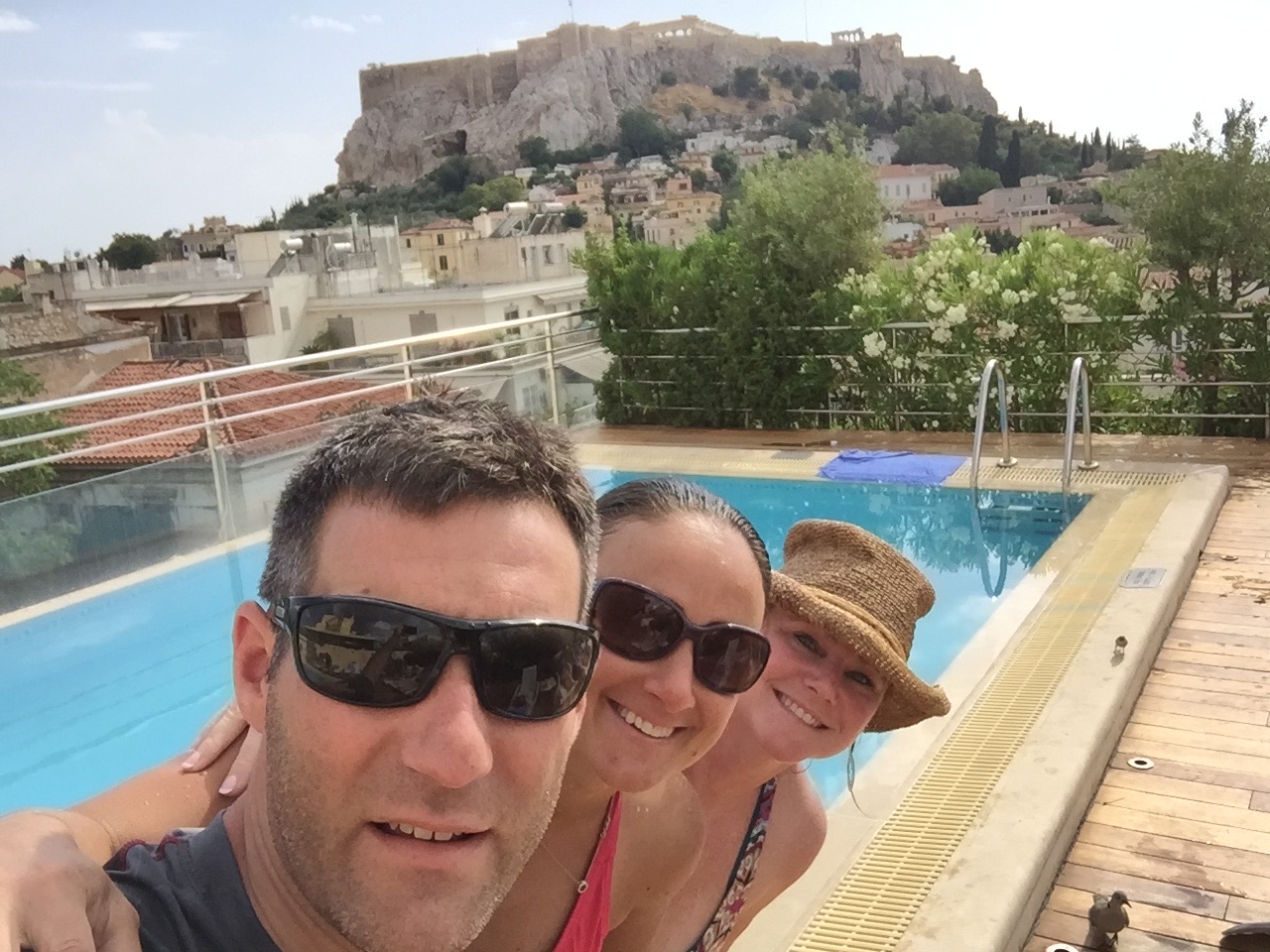
- Electra Palace Athens – This is where we have stayed on multiple trips back to Athens. It is a nice hotel, within walking distance to the historic Plaka neighborhood, the Acropolis, Syntagma Square, and Monastiraki. There is an incredible view of the Acropolis from the rooftop pool and bar, especially when it is lit at night. There are also plenty of other lower-priced options in the Plaka area.
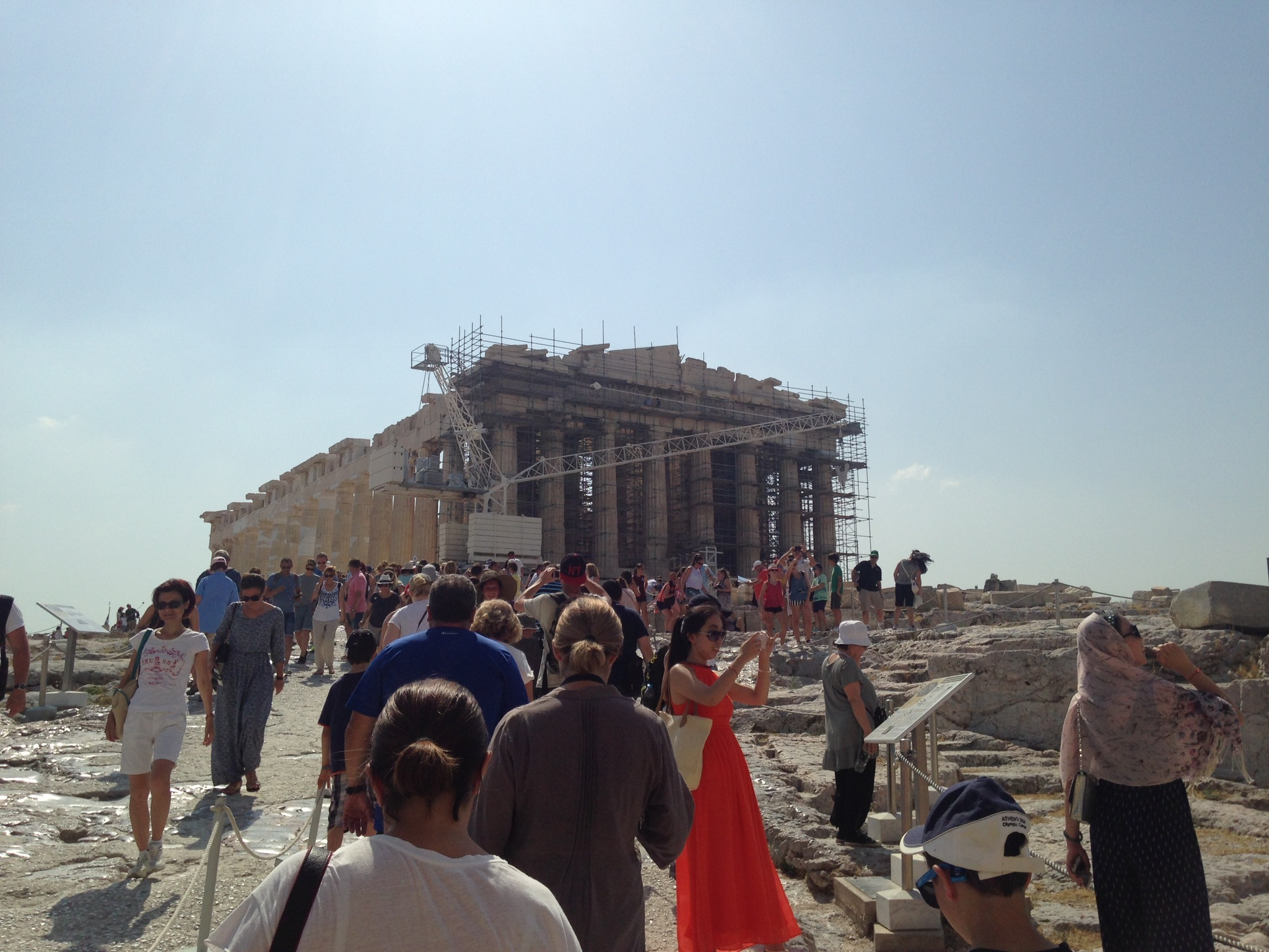
- The Parthenon and Acropolis Museum – if possible, hire a guide for a private tour

- Kostas – This popular shop serves up the most delicious souvlakis at the cheapest prices. The seasoning is perfect and we couldn’t help but order one of everything.
- Yiasemi – A cute café near the Acropolis with tables that spill out onto the stairways of this pedestrian-only area. A perfect spot for dessert or coffee after dinner.
- To Kafeneio – A charming taverna serving homemade traditional Greek dishes, way better than the touristy restaurants with their picture menus and hosts harassing you to eat at their place.
- For the doughnut lovers, try Lukumades. They serve the eponymous fried dough balls with a variety of toppings.
- O Thanasis is a sit-down, but casual restaurant that offers great kebab and souvlakis in that area. It’s also very affordable.

- Although the Plaka neighborhood has cool, narrow winding streets, it is touristy. Check out the Monastiraki neighborhood of Athens to see where the locals go for shopping, antique shops, and street food.
Things to consider
- The pollution in Athens can be quite bad, especially on hot summer days. They even now have laws that only half the population can use their cars on any given day. Of course, the Greeks are very creative in working around the laws and many have 2 different license plates or 2 cars. And speaking of cars, you may not find crazier drivers anywhere in the world. Keep in mind, that the sidewalks are fair game for driving over.
- Even more than in other areas of Europe, there is tons of graffiti marring the historic buildings.
- Safety tip: Avoid Omonia Square, it can be quite dangerous, especially at night.
- The Greek islands (like Crete, Zakynthos, or Kefalonia) and their delicious food are easily accessible from Athens.
Day Trip to Delphi
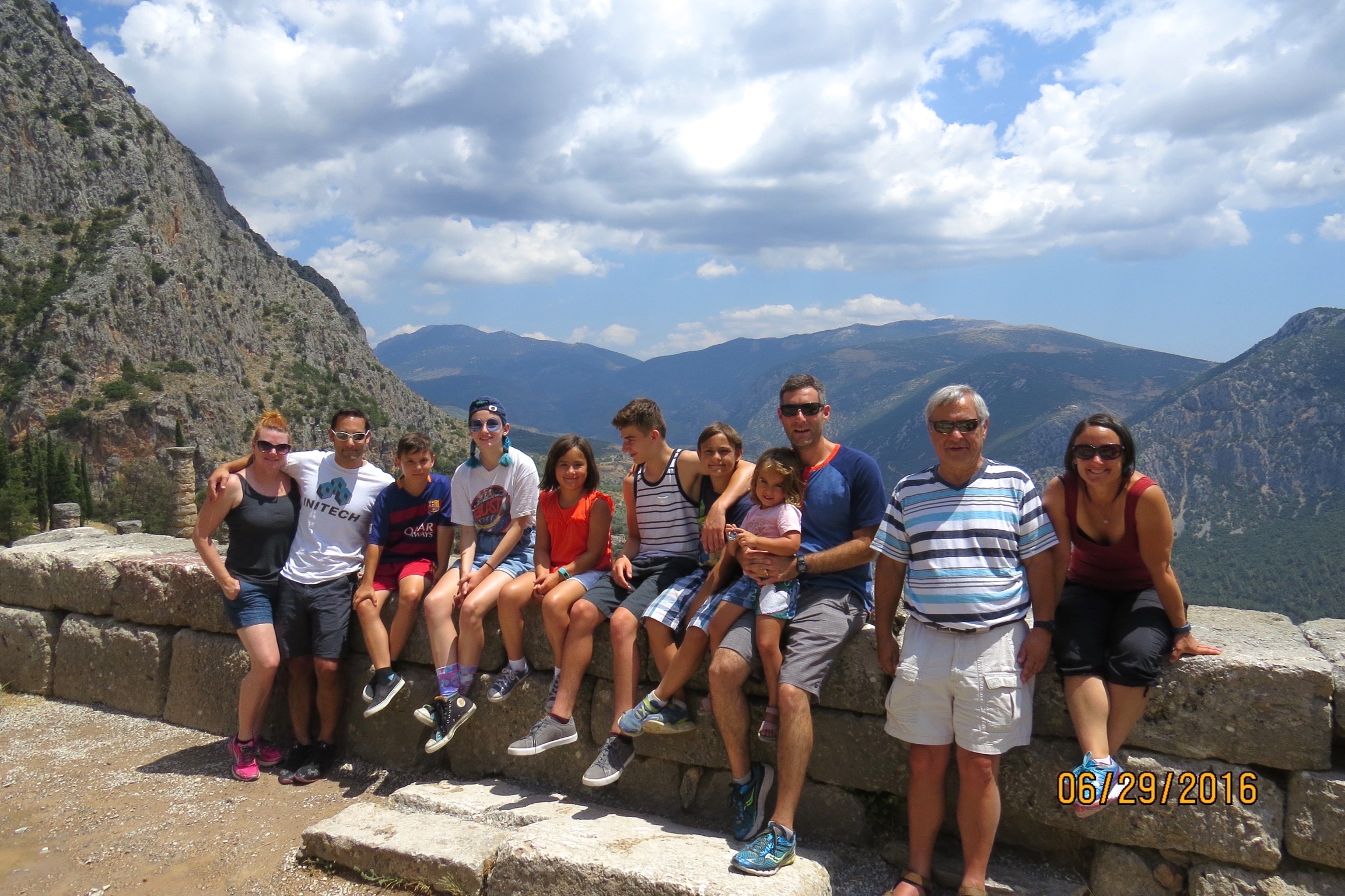
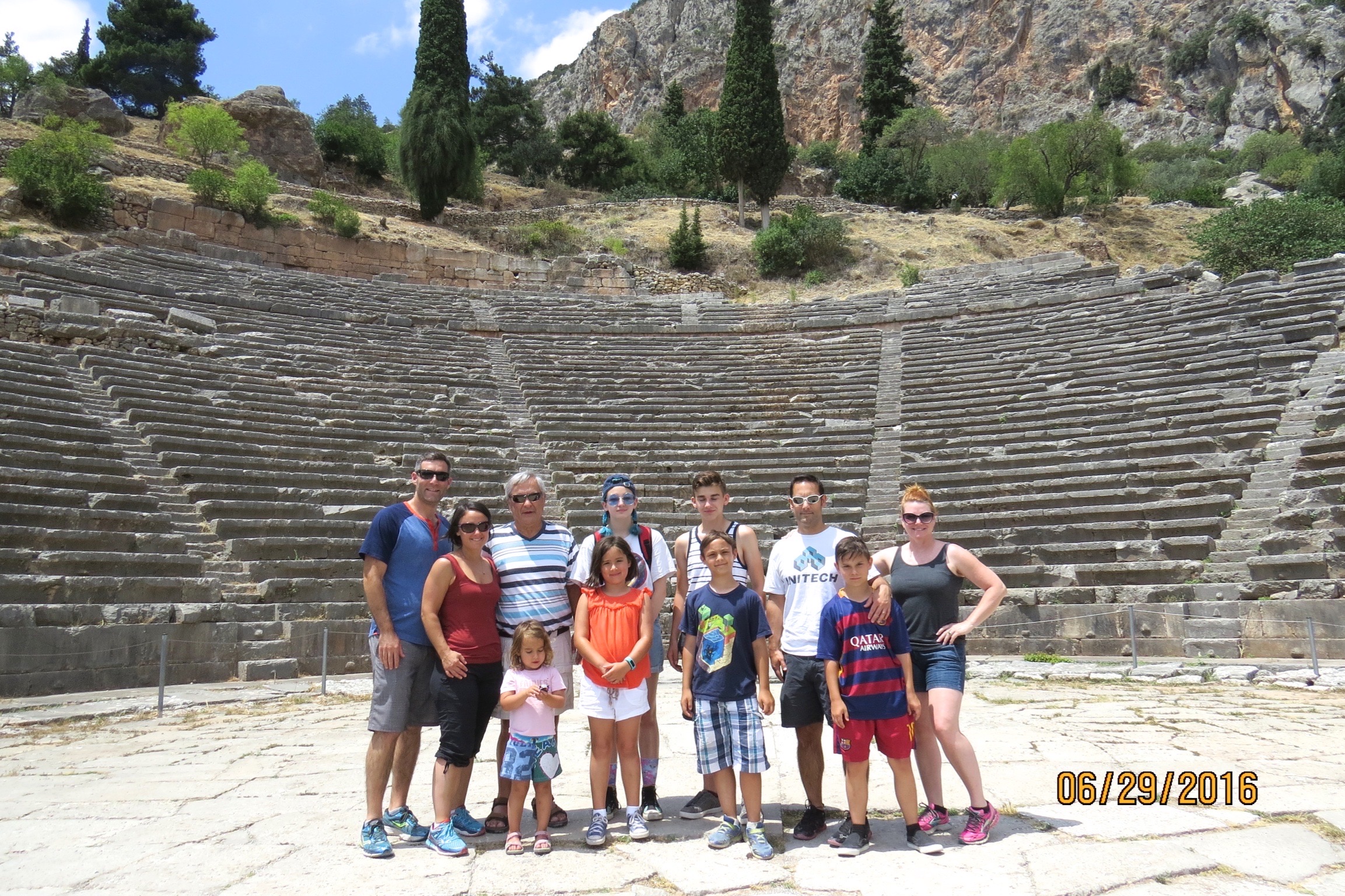
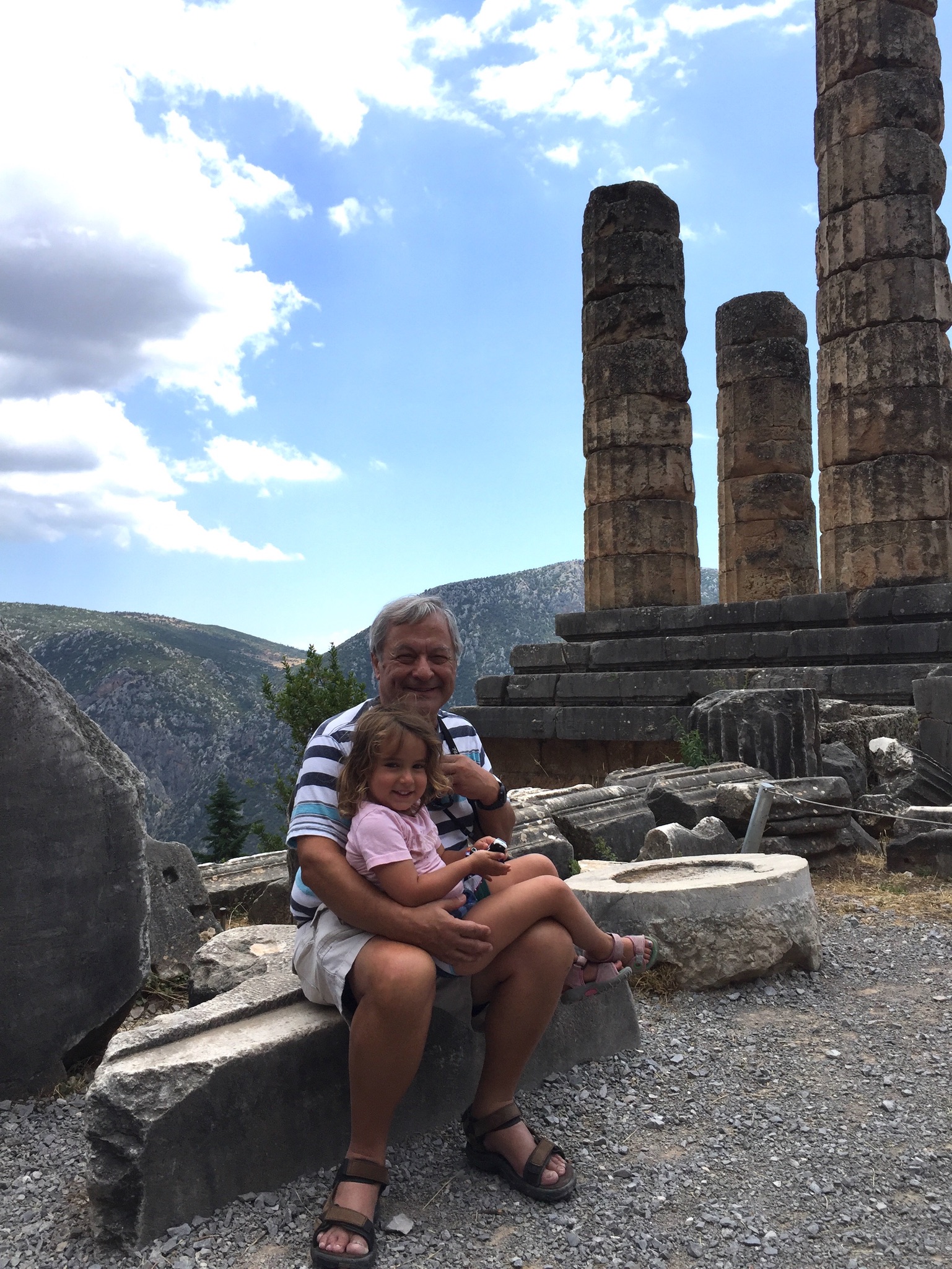
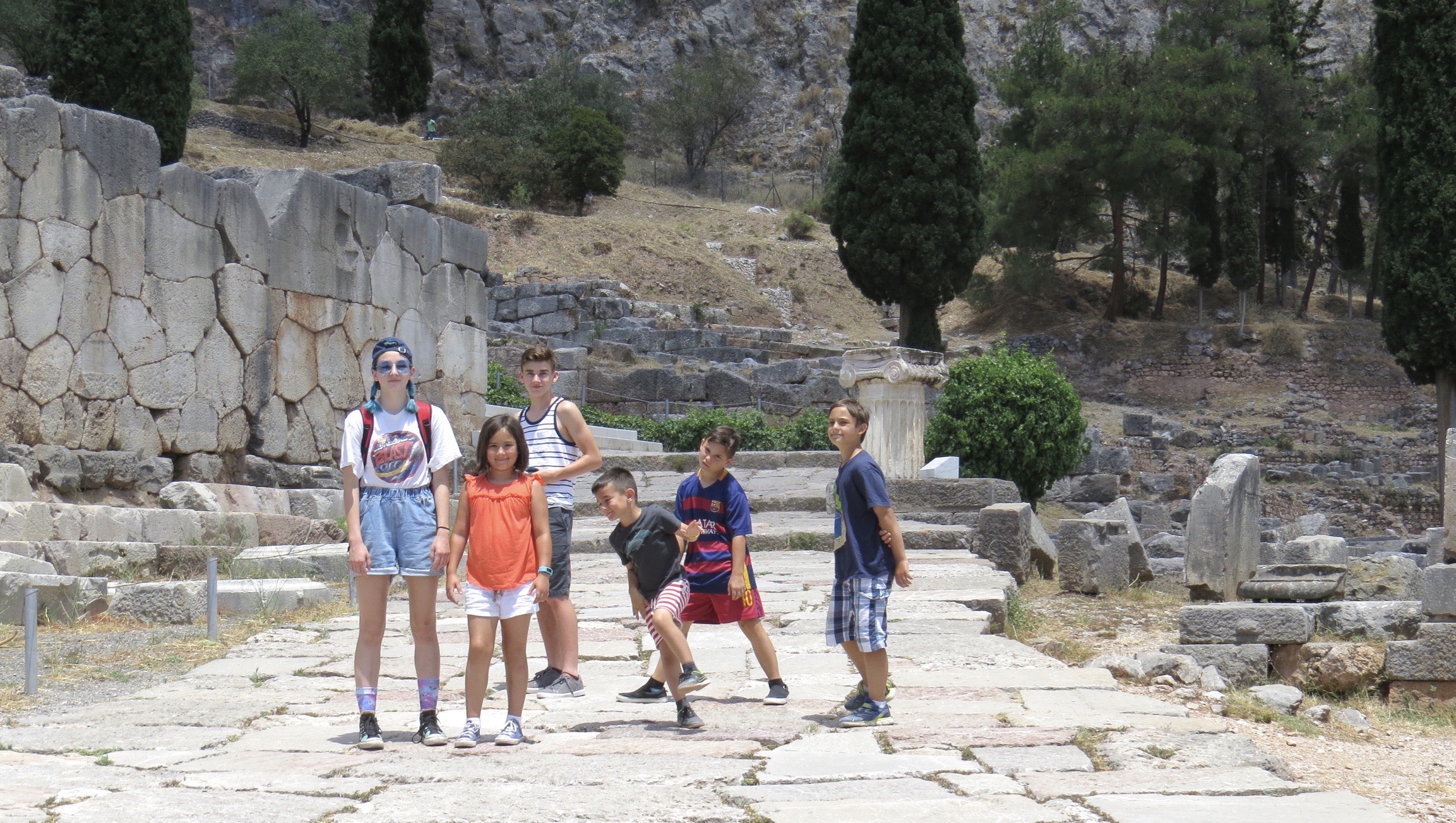
A few hours away from Athens high in the mountains is Delphi. The Greeks thought of it as the center of the earth. You can do it as a day trip from Athens. Again, the site is so large that you may want to hire a guide and also take a little time to see the highlights of the museum.
The site is full of smaller buildings that were built by Greek city-states to celebrate victories. The buildings held the offerings made to Apollo; the most impressive is the Athenian Treasury, built after the Battle of Marathon. The distance from Marathon (yes, there is a place called Marathon, even today!) to the Stadium in Athens is 26.2 miles. They do run a race every year but, it is probably much easier today as they run on paved roads and are well rested as compared to the original soldier who ran it after fighting in the battle.
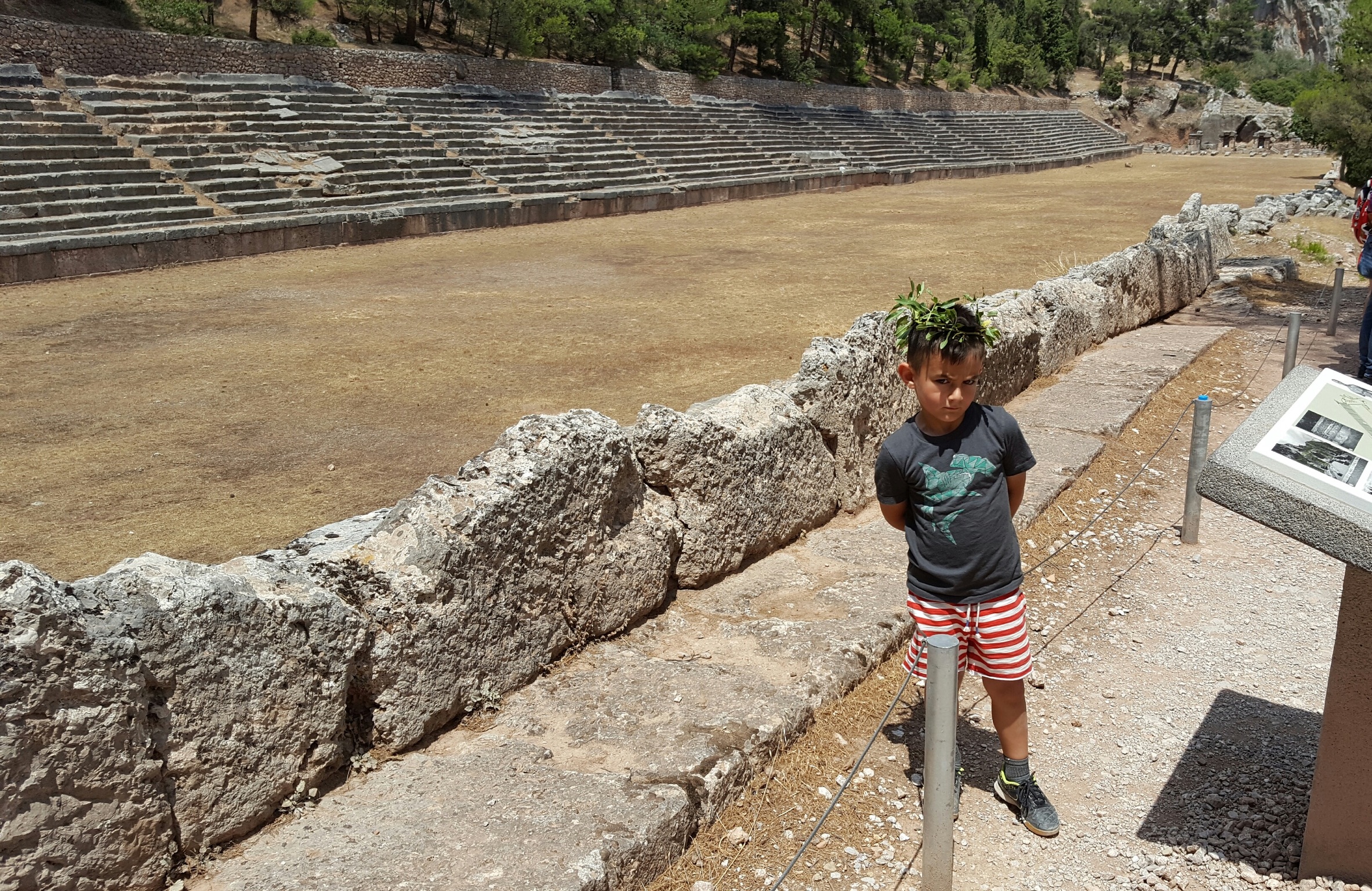
They did their own version of the “Olympic Games” called the Pythian Games every four years. The games honored Apollo, the god of Delphi. In fact, the stadium is at the very top of all the monuments. You could run on it a few years back, but there is a barrier there now.
The “Oracle” is probably one of the most famous factoids about Delphi. A priestess would give out prophecies, that could be interpreted in multiple ways, of course, after those asking for them brought lots of gifts. She was seated in the Temple of Apollo. This oracle was around for several hundred years, even after Christianity became the official religion of the Byzantine Empire.
Stop for lunch in Arachova, a Greek “alpine” village. In the winter this mountainous area actually gets lots of snow.
Logistics and Miscellaneous Notes
- Most of the flights coming from the United States to a Greek Island are going to come through Athens. It’s definitely a worthwhile stop, but we wouldn’t recommend spending more than 1-3 days there.
- Keep in mind that the summer is crazy hot, especially for touring the Acropolis.
 The Avventura